

The Best Paint for Cold, Damp London Homes
Period walls, condensation and mould defeat the wrong paint within months. Here's what actually works in London's coldest, dampest properties — and the preparation that makes it last.
London Homes Are Cold and Damp in Very Specific Ways
Victorian terraces, converted flats and period conversions across London share the same weaknesses: solid walls with no cavity, single-skin bay windows, and bathrooms and kitchens that were never designed for modern levels of moisture.
The result is cold surfaces that sit below the temperature of the air around them. Warm, humid air meets those cold walls, condenses, and leaves the damp patches, peeling emulsion and black spotting most homeowners recognise immediately.
Choosing paint for this environment isn't about picking a brand. It's about picking a coating that tolerates moisture, resists mould and still breathes where the building needs it to.

Anti-Mould and Breathable Emulsions Do the Heavy Lifting
For general walls and ceilings in a cold, damp property, a good quality anti-mould or moisture-resistant emulsion is the sensible default. These contain fungicidal additives that stop spores taking hold on the paint film rather than simply covering what's already there.
In solid-wall period homes, breathable mineral paints — clay and silicate based emulsions — are often the better technical choice. They let moisture move out through the wall instead of trapping it behind a plastic-like film, which is exactly what causes blistering a few months later.
What to avoid is the opposite extreme: heavy vinyl silks and cheap contract matts. Vinyl seals cold walls, moisture pools behind it, and contract matt has almost no resistance to wiping or condensation at all.
Wipeable, Steam-Tolerant Finishes Are Non-Negotiable
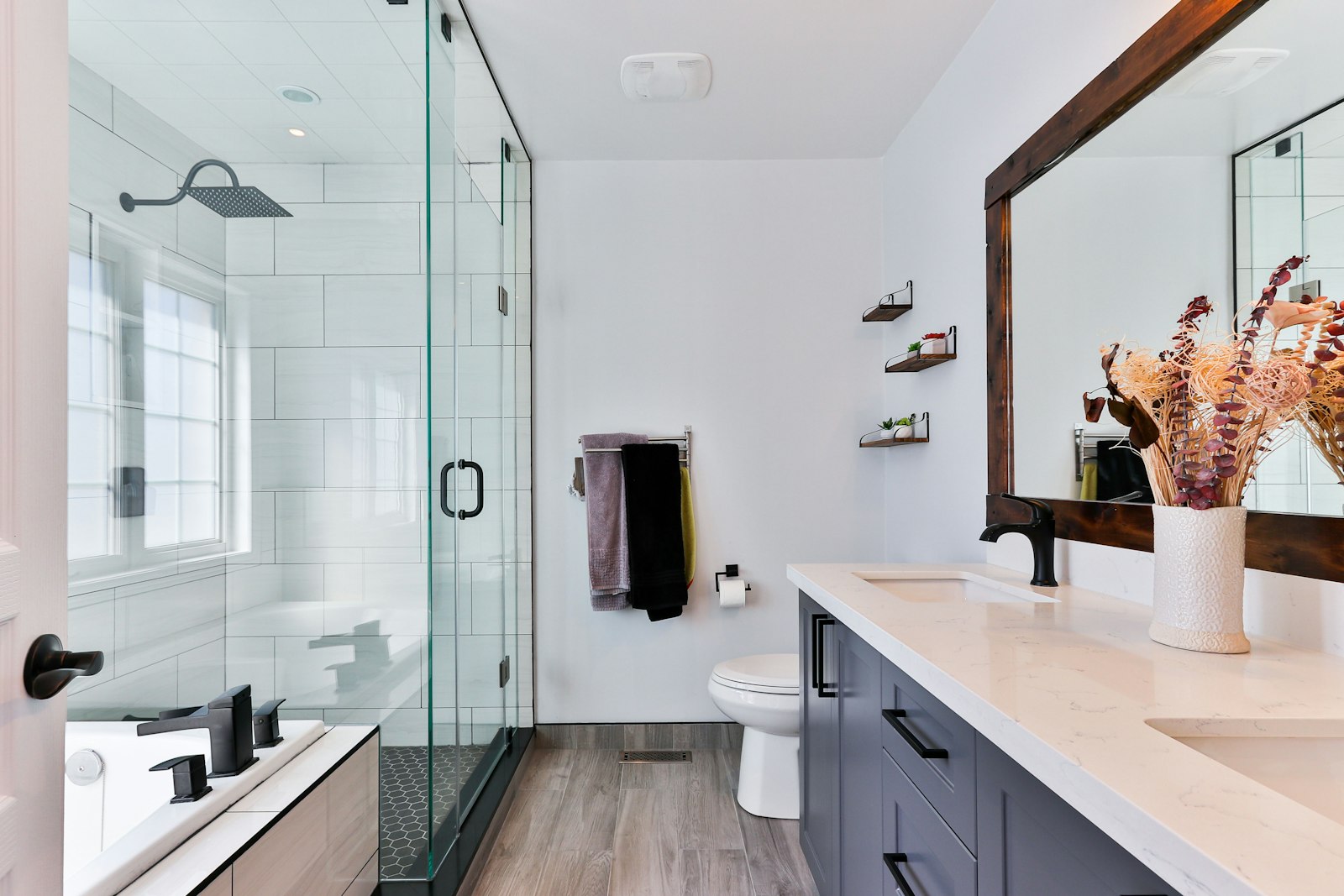
Bathrooms, kitchens and utility rooms need a dedicated moisture-resistant finish. A bathroom-grade acrylic eggshell or a purpose-made kitchen and bathroom emulsion will shrug off steam, wipe clean and hold its colour far longer than a standard matt.
On woodwork in these rooms — skirtings, window boards, door frames — a water-based satinwood over a suitable primer stays flexible, resists yellowing and copes with the constant cycle of warm damp air and cooling down overnight.
Extraction still matters. The best paint in the world cannot outrun a bathroom with a broken extractor fan and a permanently closed window.
No Paint Fixes a Damp Problem — It Only Survives One
Before any coating goes on, the cause has to be addressed. Condensation, penetrating damp from failed pointing or a leaking gutter, and rising damp all behave differently and all need different remedies.
Existing mould must be killed with a proper fungicidal wash and left to dry, not painted over. Loose or blown plaster needs cutting out. Stained areas need a stain-blocking primer so the marks don't ghost back through the finish weeks later.
Done in the right order — dry the wall, treat the cause, prime correctly, then use a moisture-tolerant finish — a cold, damp London home can hold a clean, professional finish for years rather than months.

Need Your Empty Property Painted?
Empty Home Painters specialises in painting vacant properties across London.
Get a Fast Quote